You’ve invested in premium tier-1 solar panels, a high-efficiency inverter, and a deep-cycle battery bank. You’re ready to flip the switch and enjoy energy independence. But there is one component that often gets overlooked, yet it carries the entire weight of your investment: the cabling.
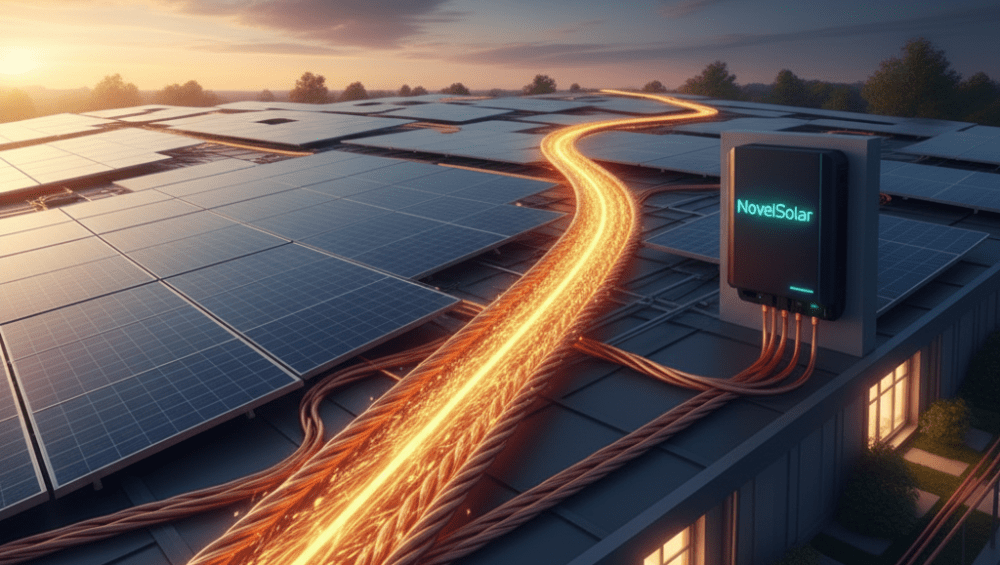
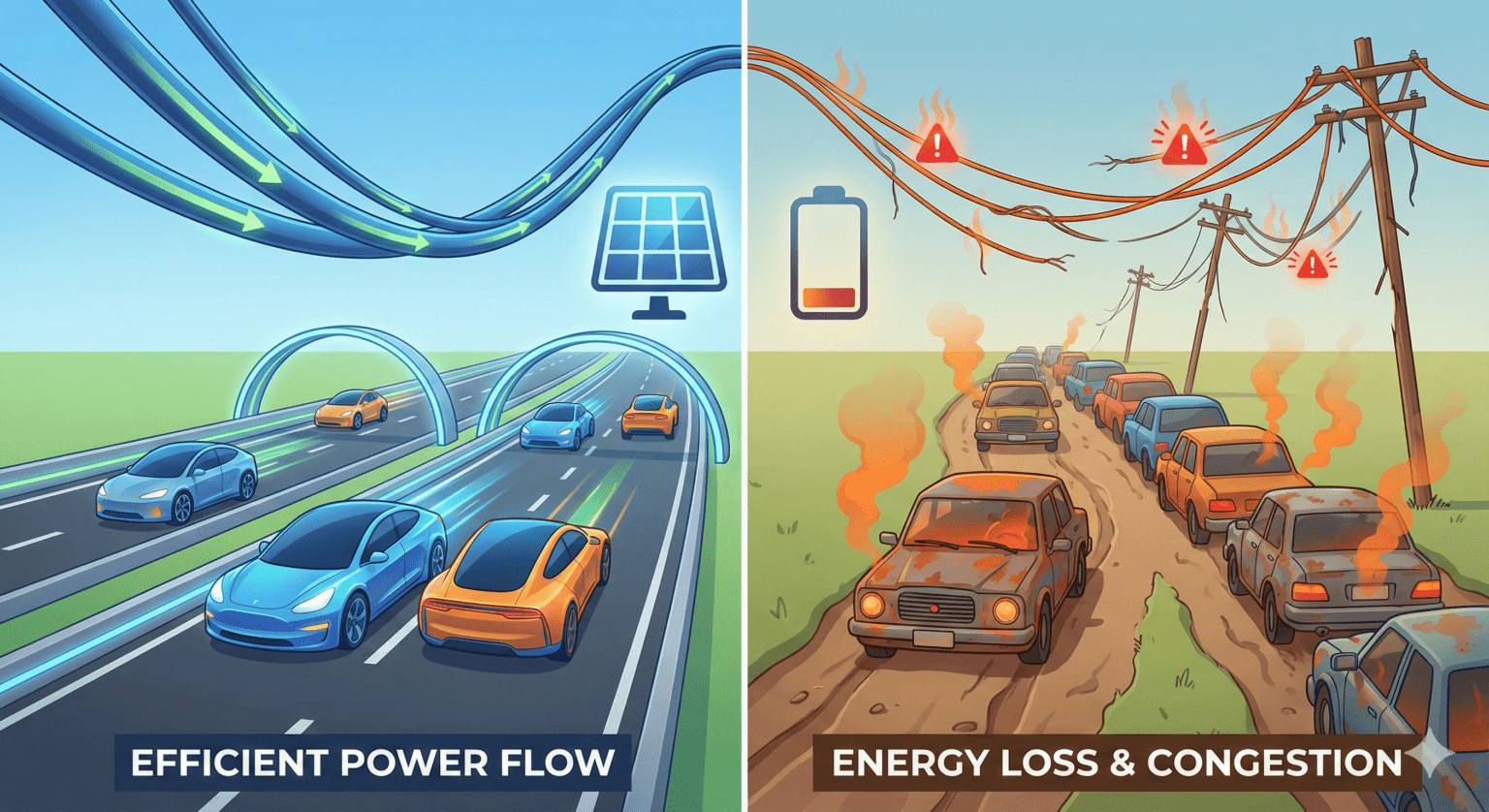
Think of your solar cables as the highways of your energy system. If the highway is too narrow for the traffic, everything slows down, engines overheat, and accidents happen. In a solar setup, the wrong cable doesn’t just lead to underperformance—it can lead to system failure or even fire.
At NovelSolar, we believe a system is only as strong as its weakest link. Here is everything you need to know about choosing the right cables for your installation.
1. The Relationship Between Amps and Thickness
Every cable has a maximum “ampacity”—the amount of current it can safely carry.
The Science: As current (Amps) flows through a wire, it meets resistance.
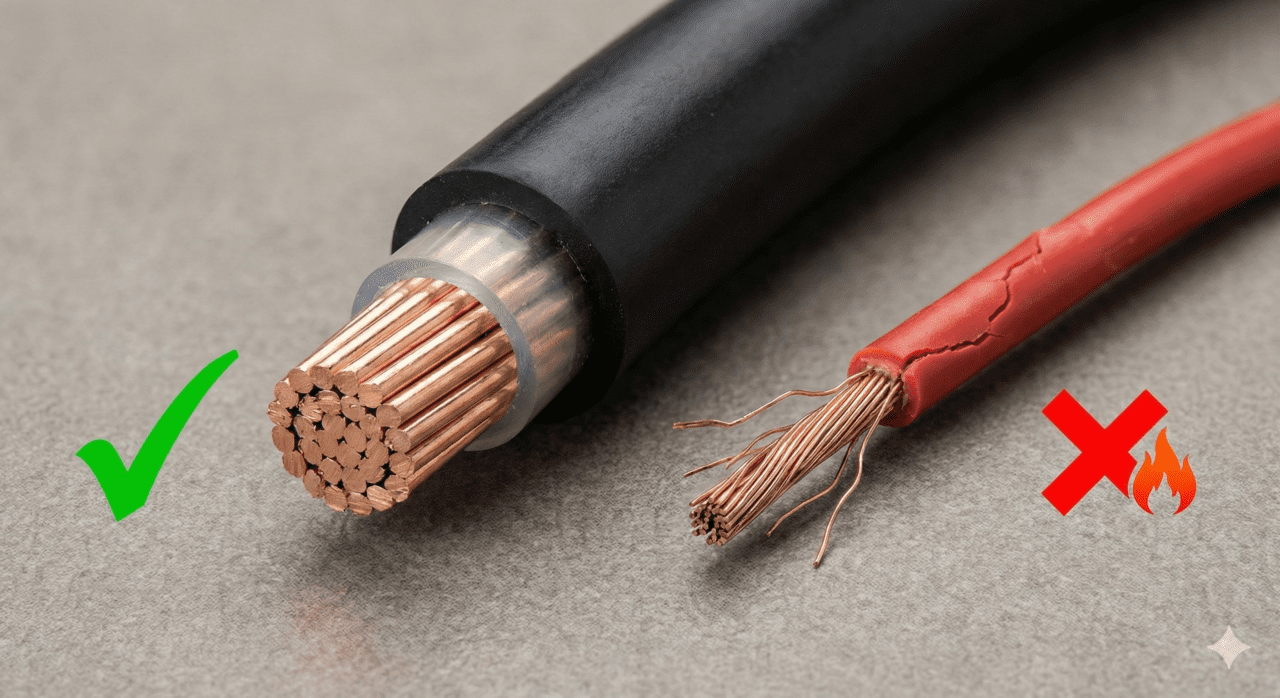
The Risk: If a cable is too thin for the current passing through it, that resistance turns into heat. This isn’t just wasted energy; it can melt insulation and create a significant fire hazard.
The NovelSolar Rule: We always recommend “upsizing” rather than “undersizing.” It is better to have a cable that is slightly too thick than one that struggles to keep up.
2. Managing “Voltage Drop” Over Distance
In solar installations, distance is the enemy of efficiency. The further electricity has to travel from your panels to your battery or inverter, the more energy is lost along the way. This is known as Voltage Drop.
To keep your system running at peak performance, you must calculate the distance of your cable runs. For longer distances, you need a larger cross-sectional area (thicker wire) to ensure that the power generated on your roof actually makes it to your appliances.
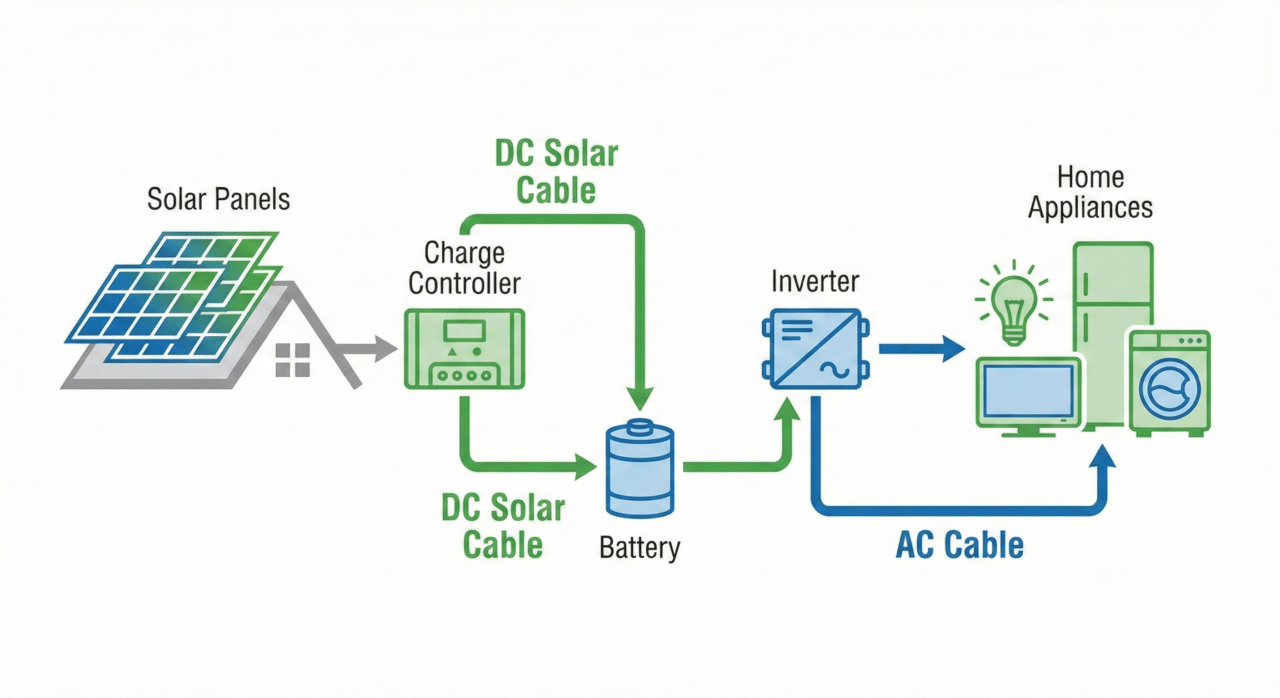
3. Understanding the Three Types of Solar Cables
Not all wires are created equal. A standard household wire isn’t designed to sit on a roof for 20 years.
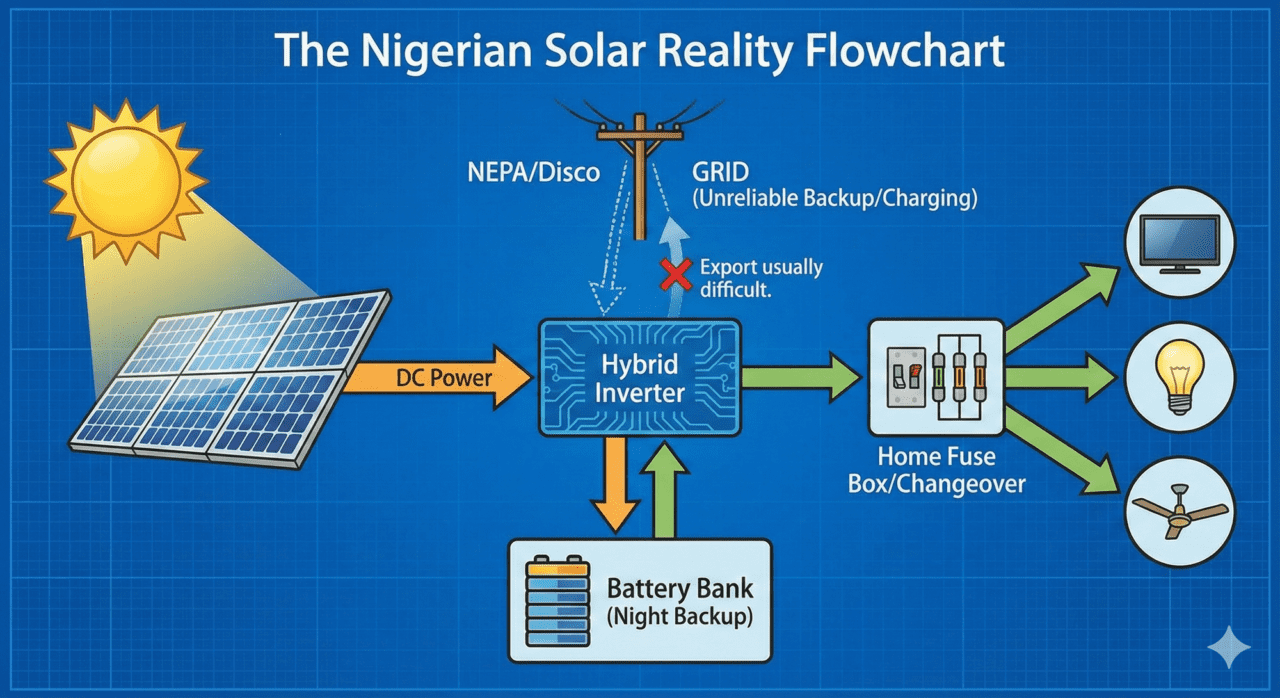
PV/Solar DC Cables: These connect your panels to the charge controller or inverter. They are specifically designed to be UV-resistant and weather-proof to withstand the harsh sun and rain.
Interconnecting Cables: These are used to link panels together (in series or parallel) or to connect battery modules. Because they handle high-current DC, they must be heavy-duty.
AC Cables: These carry power from your inverter to your home’s electrical panel. These are the same type of cables used in standard building wiring, but they still must be rated for the total load of your appliances.
4. Why We Choose Copper Over Aluminum
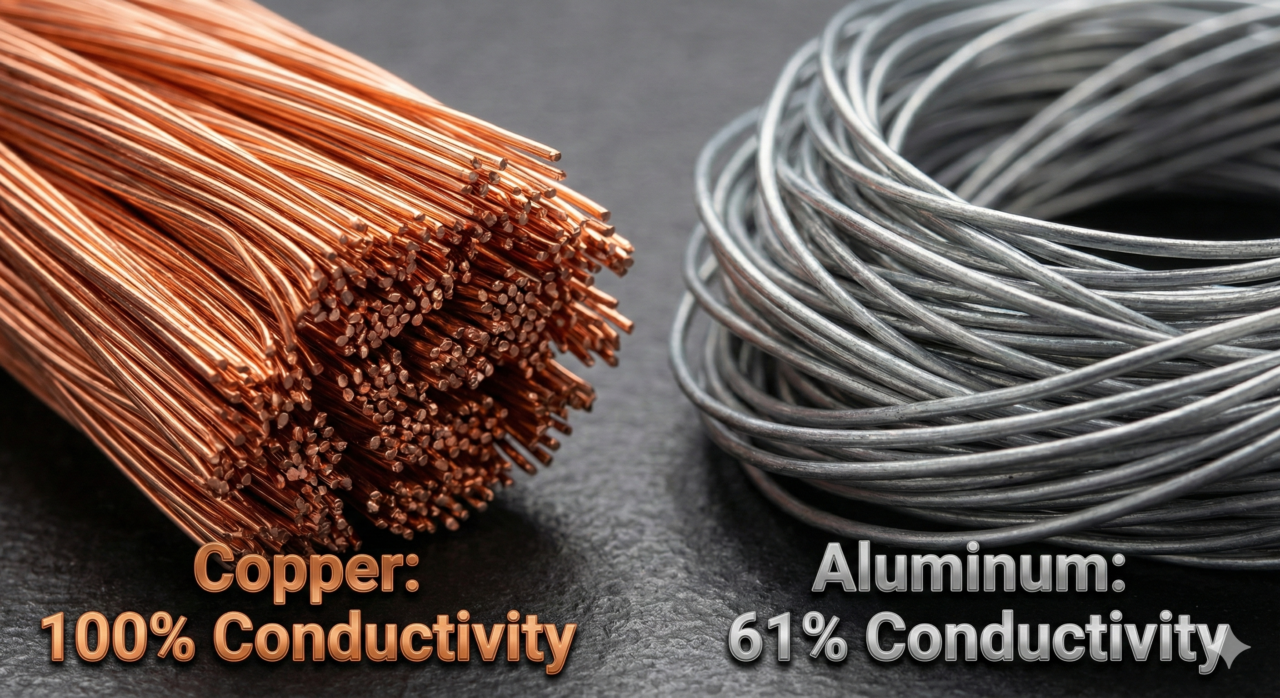
While aluminum is lighter and cheaper, Copper is the gold standard for solar.
Conductivity: Copper carries electricity more efficiently than aluminum, meaning less energy is lost as heat.
Durability: Solar systems are 25-year investments. Copper is more flexible and less prone to corrosion, ensuring your system stays “healthy” for decades.
5. The “Touch Test” Safety Check
Your cables should never be hot to the touch. If a cable feels warm during peak sunlight hours, your system is “screaming” for help. Heat is a sign of energy being wasted and a system under stress. Proper sizing ensures a cool, quiet, and safe operation.
Optimize Your Investment with NovelSolar
Don’t let your panels sweat for nothing. Choosing the wrong cable to save a few dollars today could cost you thousands in lost efficiency and repairs tomorrow.
At NovelSolar, we don’t just sell components; we design systems. Our experts calculate the exact gauge and type of cabling needed for your specific layout, ensuring your solar system works perfectly from day one.
Ready to power up the right way? [Contact NovelSolar today for a professional consultation.]