In a world where staying connected is essential, access to reliable power can make all the
difference. Whether you’re traveling, studying, working remotely, or living in an area with
unstable electricity, a dependable portable power solution is no longer a luxury it’s a necessity.
The Itel Solar Power Tank is designed to meet that need, combining portability,
sustainability, and efficiency in one powerful device. Let’s explore why this innovative solar
is becoming a must-have eco-friendly power solution.
Understanding the Itel Solar Power Tank: Features and Benefits
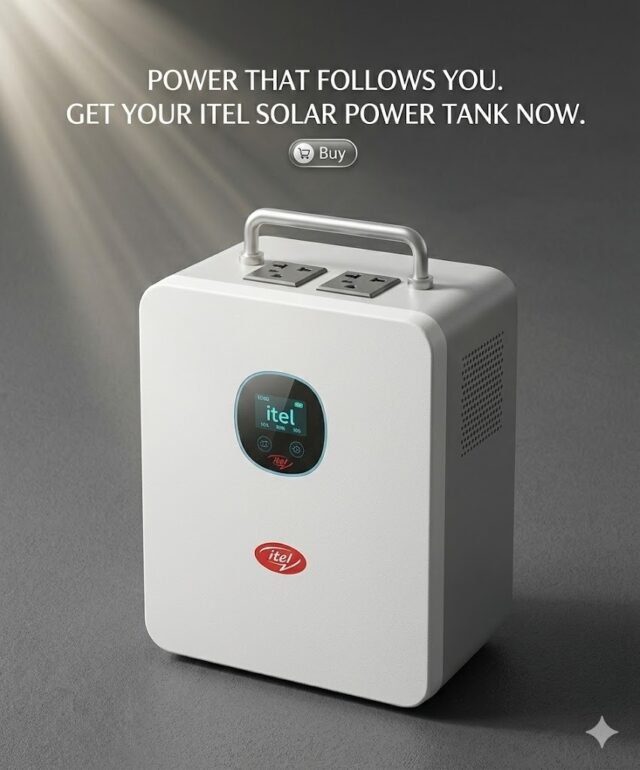
When it comes to portable solar generator, not all devices are created equal. The Itel Solar
Power Tank stands out thanks to its thoughtful design and user-focused features.
- High Battery Capacity
One of the biggest highlights is its large battery capacity- 1kWh (1000 Wh) lithium battery,
allowing users to charge multiple devices multiple times. Smartphones, tablets, wireless
earbuds, and even small gadgets can all be powered with ease. - Sustainable Charging
Featuring dual charging capability, this device can be powered either by sunlight using up to
~400-450W of solar panels via an MPPT controller or by conventional electricity. This
versatile charging flexibility makes it perfect for outdoor use while ensuring reliable power
whenever grid electricity is available. - Dual AC Output Options
The Solar Power Tank features two AC output ports, allowing it to be connected to extension
cables for powering multiple devices at once. This makes it suitable for charging phones, small
household electronics, and other essential gadgets. It can also be connected to a power source
ensuring reliable energy access whether you’re at home or outdoors. - Eco-Friendly Power Solution
By utilizing renewable solar energy, it supports sustainable living and reduces carbon footprint.
It’s a small step toward cleaner energy consumption with a big impact.
Use Cases: Who Needs an Itel Solar Power Tank?
This device isn’t limited to one type of user. It serves a wide range of needs.
- Travelers and Campers
Outdoor enthusiasts can keep phones, GPS devices, and cameras powered during camping trips
and road adventures. - Students
Students commuting long hours or studying in areas with unreliable electricity can depend on
it as a portable charger throughout the day. - Residents in Areas with Unstable Power
In regions where electricity supply is inconsistent, this device acts as a reliable backup source. - Emergency Kits
It’s a smart addition to emergency preparedness kits for households. - Business Owners and Shop Operators
Small business owners and shop operators can keep essential devices running during power
outages. From charging phones to powering small electronics, it helps prevent business
interruptions and ensures smoother daily operations.

How Does the Itel Solar Power Tank Work? Technology Explained
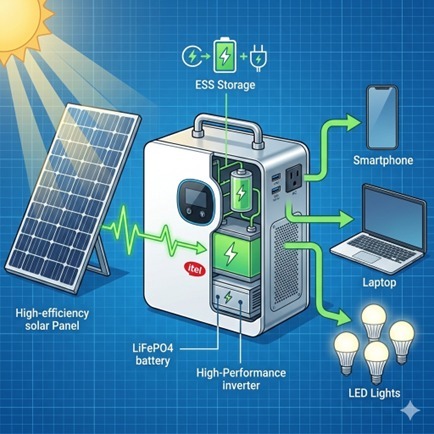
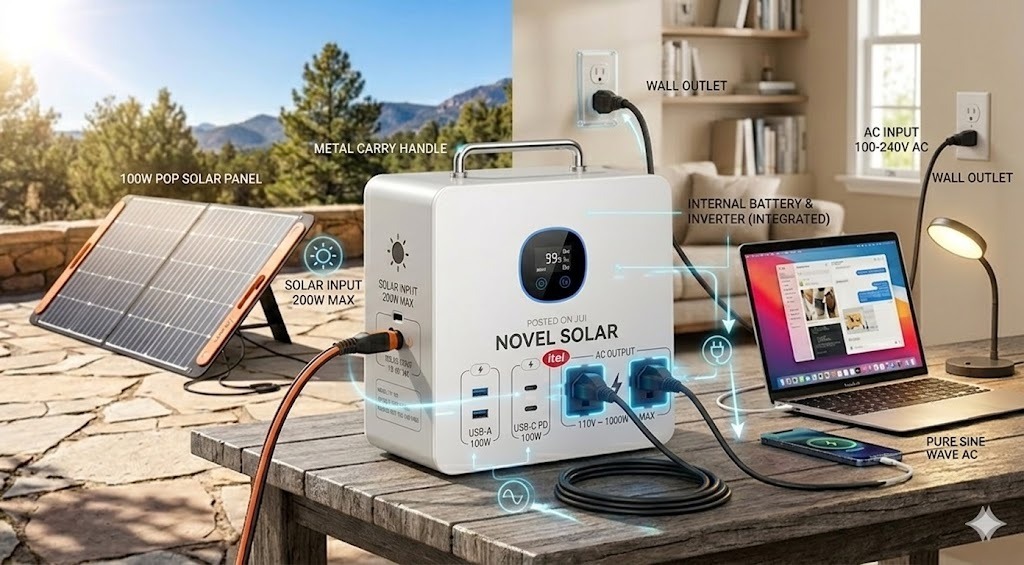
The Itel Solar Power Tank is a portable power station with a built-in rechargeable battery and
inverter system. It stores electrical energy and allows you to power devices through its AC
output sockets whenever needed.
Dual Charging Capability
The unit supports two charging methods:
• Solar charging – by connecting compatible external solar panels
• AC charging – by plugging it into a regular wall outlet
You can use either method depending on availability, making it flexible for both home and off
grid use.
Reliable Power on Demand
Once fully charged, the stored energy can be used anytime through its dual AC outputs,
allowing you to connect extension cables and power essential devices.
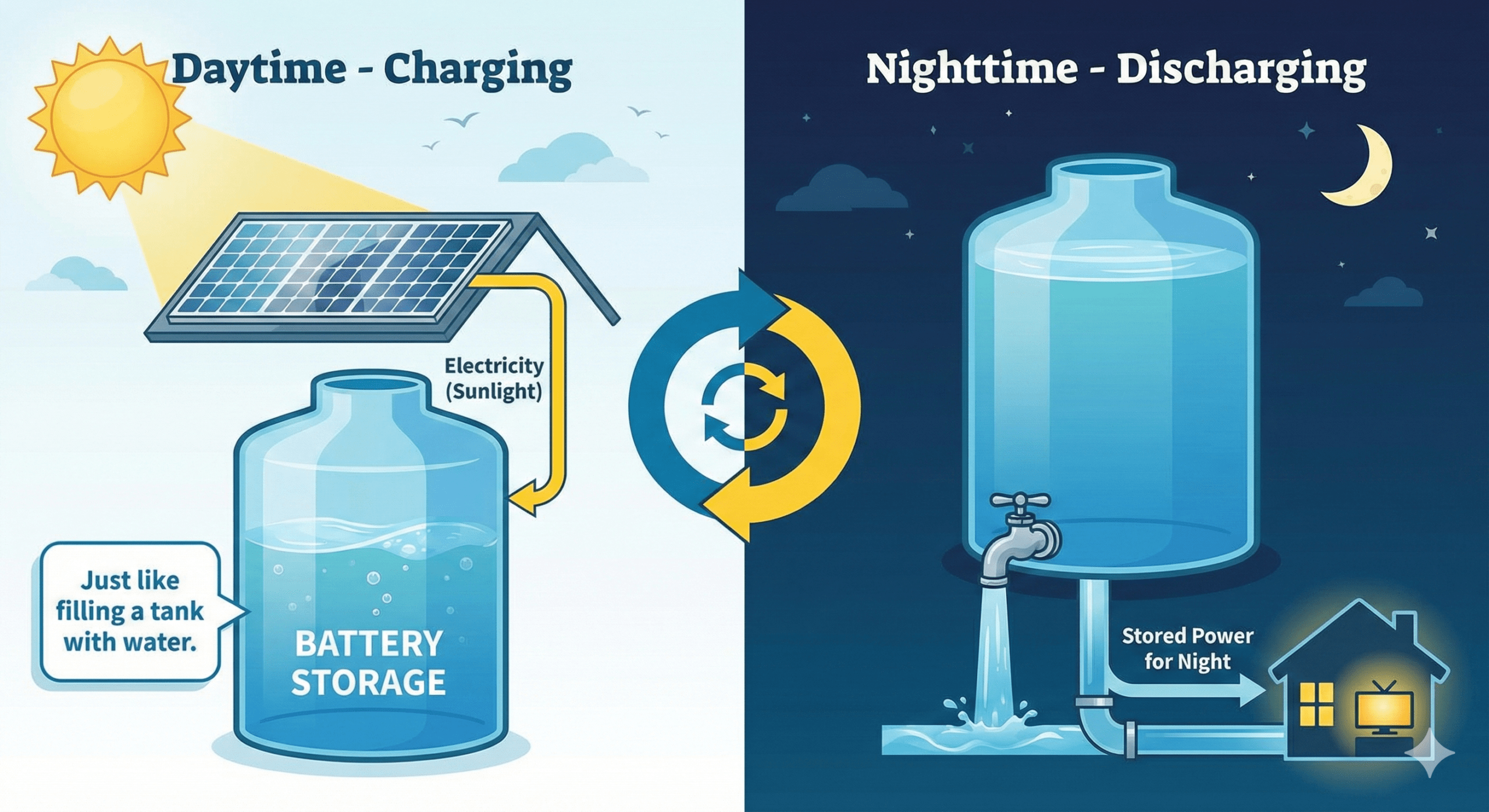
In simple terms, the Itel Solar Power Tank stores power when electricity is available.
Itel Solar Power Tank Specifications & Power Capability
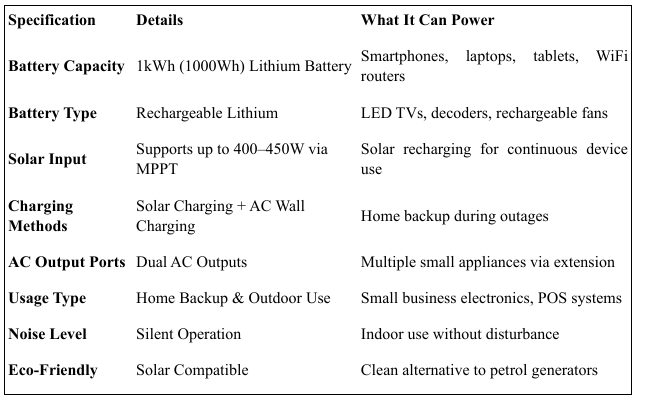
Below are the key technical specifications of the Itel Solar Power Tank (1kWh) and examples
of devices it can realistically power:
The Advantages of Choosing the Itel Solar Power Tank Over Traditional Chargers
Why choose a solar power generator over conventional chargers?
- Solar vs Conventional Chargers
Traditional chargers require constant access to electricity. The Solar Power Tank, however,
offers both solar and wired charging, giving users greater flexibility. - Emergency Power Backup
During power outages, storms, or natural disasters, having an emergency power backup can be
crucial. This device ensures your essential gadgets remain functional when you need them
most. - Off-Grid Charging Solution
Camping in remote areas? Traveling off-grid? The Solar Power Tank provides reliable charging
without needing wall outlets. - Renewable Energy Device
Choosing solar means choosing sustainability. It reduces dependence on fossil-fuel-generated
electricity and promotes cleaner energy habits. - User Experience: Real Stories and Reviews of the Itel Solar Power Tank
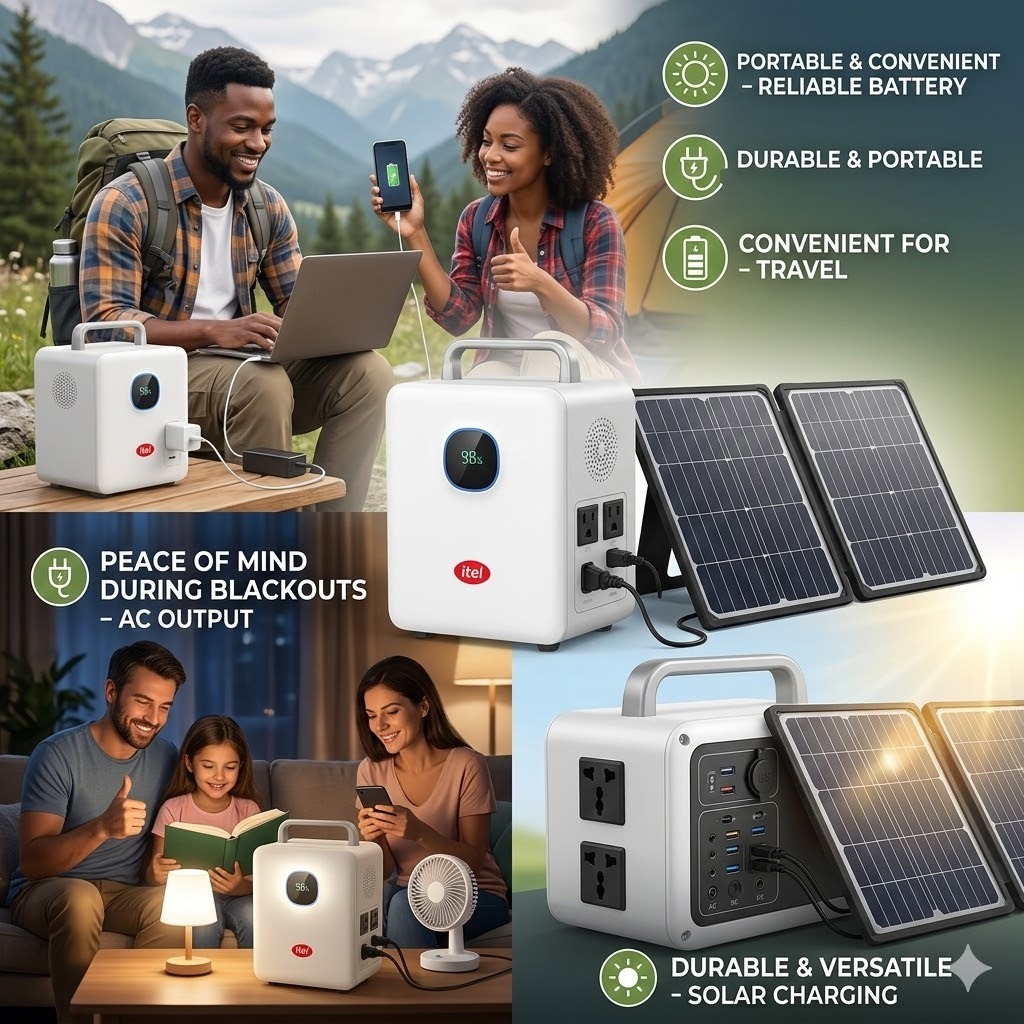
Customer testimonials often highlight:
• Reliable battery performance
• Durable and Portable design
• Convenience during travel
• Peace of mind during blackouts
Many users appreciate the combination of portability and sustainability, noting high
satisfaction ratings and dependable everyday performance.
How to Get the Most Out of Your Itel Solar Power Tank: Tips &
Maintenance Guide
To maximize battery lifespan, efficiency, and overall performance, follow these practical best
practices:
1. Avoid Frequent Full Discharges
Try not to let the battery drop to 0% regularly. Keeping the battery between moderate charge
levels, when possible, helps extend its overall lifespan.
2. Position External Solar Panels Properly
When charging with solar panels, place the connected external panels in direct sunlight for
optimal energy input. Avoid shaded areas and adjust the panel angle toward the sun for better
efficiency.
3. Pre-Charge Before Important Use
Before trips, events, or expected power outages, fully charge the unit using a wall outlet. This
ensures you have maximum stored energy available when needed.
4. Keep Ports and Vents Clean
Dust can affect performance over time. Keep the AC outlets, charging ports, and ventilation
areas clean and unobstructed for safe and efficient operation.
5. Store in Moderate Temperatures
Avoid exposing the unit to extreme heat or freezing conditions. Store it in a cool, dry place to
protect battery health and internal components.

Itel Solar Power Tank Price in Nigeria (2026)
The Itel Solar Power Tank (1kWh) price in Nigeria varies depending on availability, package
type (with or without solar panels), and market conditions.
For the most accurate and up-to-date pricing, it’s best to buy from an authorized distributor like
Novel Solar.
Considering its 1kWh lithium battery, dual AC outputs, and solar charging capability, the Itel
Solar Power Tank offers strong value as a clean, fuel-free alternative to generators.
Conclusion: Make the Smart Switch to Sustainable Energy Today
The Itel Solar Power Tank is more than just a portable charger it’s a step toward sustainable
living.
With high battery capacity, renewable solar charging, and versatile output options, it provides
dependable power wherever life takes you. Whether you’re preparing for emergencies,
exploring the outdoors, or simply seeking a greener lifestyle, this device delivers convenience
and environmental responsibility in one package.
If you’re ready to upgrade your portable power experience, investing in a renewable energy
product like the Itel Solar Power Tank is a smart move toward a more sustainable future.
Order your Itel Solar Power Tank today from Novel Solar and enjoy clean, quiet, and
dependable electricity anytime.
Most-Searched Questions About the Itel Solar Power Tank
1. Does the Itel Solar Power Tank come with solar panels?
No — solar panels are usually sold separately and not included with the unit.
2. How long does it take to charge the Power Tank?
With combined solar and grid charging, it can recharge in about 2 hours.
3. Can the Power Tank run a refrigerator?
It can run small energy-efficient fridges under the inverter’s limit, but large freezers may
exceed capacity.
4. Is installation required?
No — the unit is plug-and-play with no complex wiring needed.
5. Is it suitable for indoor use?
Yes — it operates silently and produces no fumes, making it safe for indoor use.
6. What safety features does it have?
It supports protections like overload and short-circuit safeguards (based on product listings).
7. Does it have USB or DC output ports for smaller devices?
Yes — many listings show USB and DC output options alongside AC sockets.
8. How many charge cycles does the battery last?
The LiFePO₄ battery typically offers 6000+ cycles, or about 8–10 years of use.